The political situation—with the same party responsible for the past human rights abuses still controlling the legislature—delayed transitional justice. Problems still remain today.
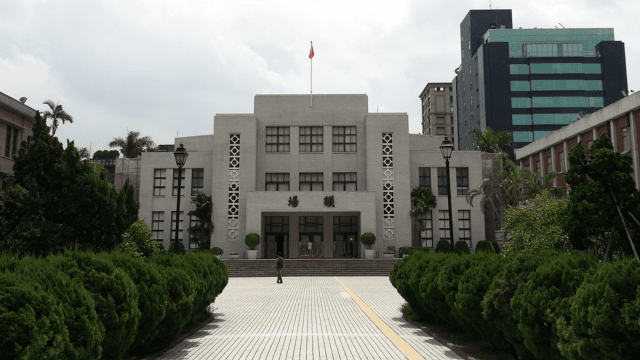

The political situation—with the same party responsible for the past human rights abuses still controlling the legislature—delayed transitional justice. Problems still remain today.

Religious liberty is a key test to assess the democratic nature of a government. It remained a difficult test for Taiwan even after the end of the Martial Law.
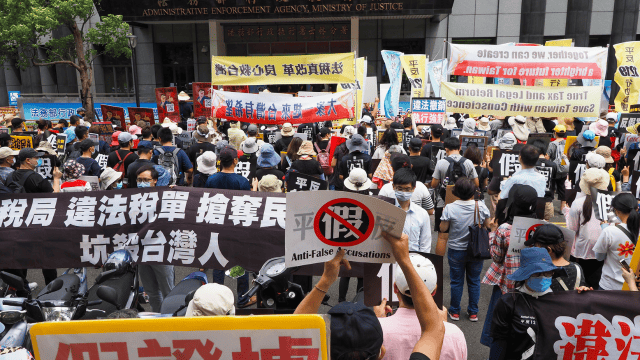
Tai Ji Men was another victim of the 1996 purge targeting spiritual movements. The peculiarity of its case is that it has not been solved to this date.

In 1996, spiritual movements that had not supported the Kuomintang candidate in that year’s presidential elections were raided and persecuted.
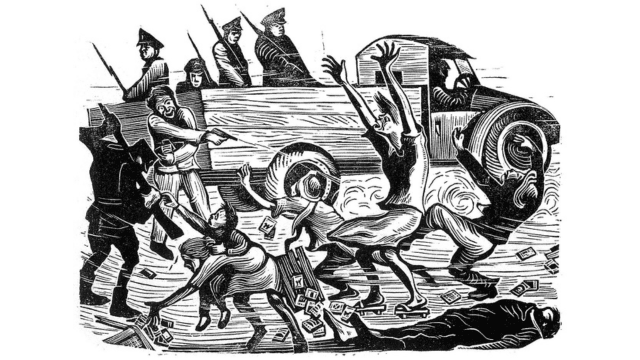
Democracy, as everywhere, came gradually. So did religious liberty, which had been severely limited during the Martial Law period.

Moving from Martial Law towards democracy, Taiwan was in need of transitional justice. Did it fully come?

The Christian frontline aid group Free Burma Rangers helps the victims and now shares with “Bitter Winter” real-time information.

A young student in Ahmednagar, Bangladesh, tells “Bitter Winter” how sectarian hatred broke one young life.

After weeks of agony, a young Ahmadi Muslim, who had been assaulted for no reason during the anti-government riots in August, breathed his last.

The Italian late symbolist painter can only be understood by acknowledging his connections to Rosicrucianism, Theosophy, and a Christian form of esotericism.