They manifest the “cultural tradition of Brazilian society” and do not violate the principle of separation of religion and the state, the Court said.


They manifest the “cultural tradition of Brazilian society” and do not violate the principle of separation of religion and the state, the Court said.

The Burma army has burned down churches, schools, and even Buddhist monasteries in its effort to eradicate anti-government resistance.

A report from the Middle Eastern country sheds light on a desperate situation and some modest signs of hope.

Scholars and human right activists ask that the movement (not to be confused with others with similar names accused of violence) may continue its activities in U.S. correctional facilities.

The city knows that peace should constantly be advocated for. So does freedom of religion or belief, in Japan and all over the world.

Defending the rights of Japanese citizens is a duty of Japan’s democratic government. It is not happening in the case of the Family Federation and other religious minorities.

When victims are presented as perpetrators, a great injustice becomes a blatant absurdity. Yet, it happens in contemporary Japan.

Most scholars have abandoned a word that has no definition and no borders. It is used only as a derogatory term to stigmatize “the other.” Yet, in Japan it is still current.

Religious liberty is not only the freedom of believing or non-believing, but that of living one’s life according to one’s belief or non-belief. Yet, Japan curtails it. The case of the Family Federation.
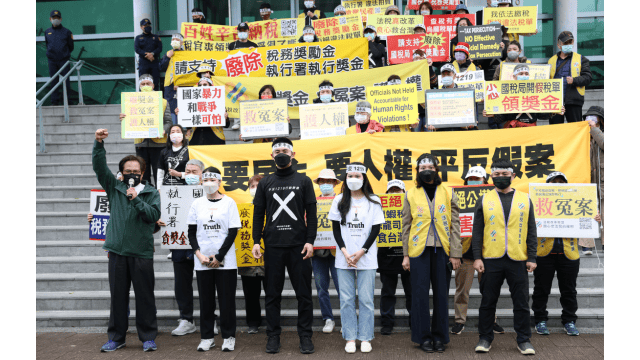
Transitional justice and freedom of religion or belief (FoRB) are connected. Without effective transitional justice, FoRB in Taiwan will remain incomplete.