Disillusioned with Stalin, the painter believed for a while that his messianic utopia would be supported by Roosevelt’s United States.


Disillusioned with Stalin, the painter believed for a while that his messianic utopia would be supported by Roosevelt’s United States.
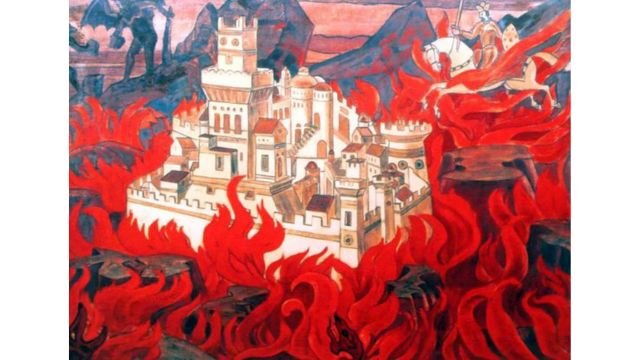
That Shambhala can be established on earth was an idea Roerich was able to sell to Stalin. But the dictator and the artist had in mind different kinds of kingdoms.

The notions of mythical and mystical kingdoms Shambhala and Agartha, as we know them today, are largely influenced by the views of the Russian painter.

Eleven scholars and human right activists ask Georgia to resist the long arm of French anti-cult repression and free the two MISA leaders.

Reportedly, Samsoon Javed was told he could either surrender his religion or his job. His mother suspects the real story may be even worse.

FOREF (Forum for Religious Freedom Europe) organized on October 4 an Info Evening on the Japanese witch hunt following the Abe assassination. Here are the videos.
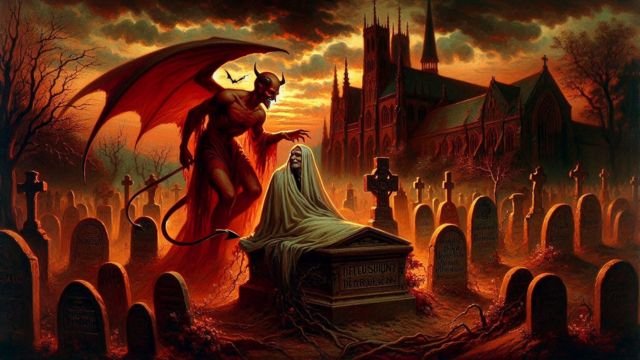
The great academic debate on vampires of the eighteenth century was restarted by some nineteenth-century demonologists—but it was soon marginalized.

In a powerful new book, the American scholar and former diplomat offers innovative solutions for the global freedom of religion crisis.

Ilya Zhuravlev, a medical doctor of Ulyanovsk, has been arrested and absurdly charged with spreading the idea that being homosexual is needed for proper “devil-worshiping.”

Voltaire presented the Benedictine scholar, who wrote about vampires, as gullible. In reality over the years his positions went from dubious to skeptical.