The Italian late symbolist painter can only be understood by acknowledging his connections to Rosicrucianism, Theosophy, and a Christian form of esotericism.


The Italian late symbolist painter can only be understood by acknowledging his connections to Rosicrucianism, Theosophy, and a Christian form of esotericism.

A look at the different rites and at a plethora of organizations that have “something to do” with Freemasonry.

Freemasonry is today divided into rival obediences and international federations. They should not be confused with the different masonic rites.

Scholars and human rights activists protest the scandal of the rental of a park by Shincheonji cancelled at the last minute on a pretext after a slander campaign.

Born with two, then three degrees, Freemasonry developed many more based on legends connecting its origins with the European aristocracy and the Knights Templar.
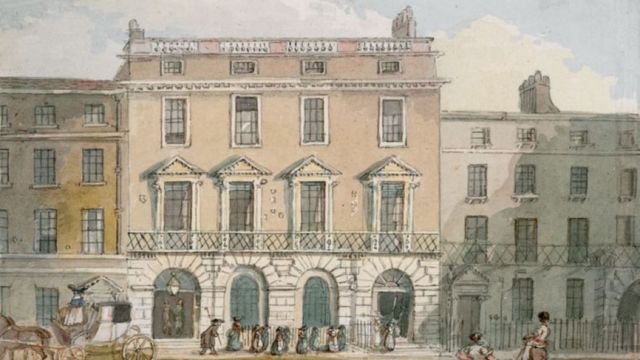
Modern Freemasonry was born in 1717, and its Constitutions were published in 1723. Since the beginning, their reference to God created problems and schisms.

In a new book, Italian psychologist Chiara Luzi reveals new details on “Mother Superior,” “Saint Antoine,” and the painter’s mental problems.

Under the futile pretext that it may “provoke North Korea,” authorities compelled the religious movement to cancel a peaceful event with the expected attendance of 100,000 believers and guests.

Legends about Solomon’s Temple and a word identifying the genuine members of the guild were passed from the “operative” to the “speculative” Freemasons.

Before “accepted” and “speculative” members who were neither stonemasons nor architect were allowed to join the craft, it operated for centuries as a professional guild.