The idea of Turin as the capital of alternative spirituality was born in the 19th century, with the flourishing in the city of “magnetizers” and “somnambulists.”


The idea of Turin as the capital of alternative spirituality was born in the 19th century, with the flourishing in the city of “magnetizers” and “somnambulists.”

Anwar Kenneth wrote in 2001 letters that clearly included the ramblings of a psychiatric patient. Nonetheless, he was sentenced to death in 2002 and kept in jail.
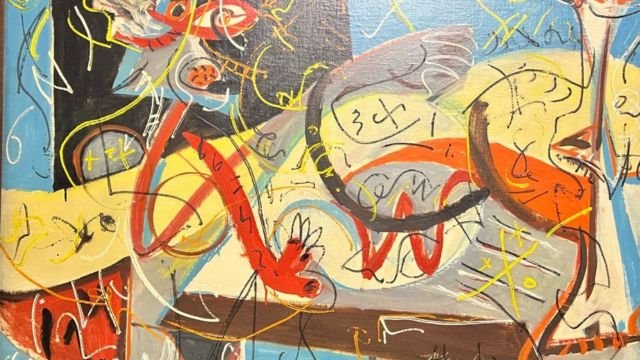
Visitors to the important Paris exhibition would not learn about his esoteric connections. But they can find them in his paintings.
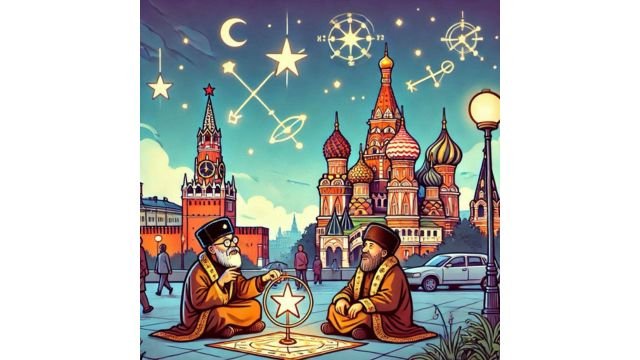
A law proposal would prohibit broadcasting horoscopes and “magic-based predictions” in all media.

17-year-old Akash Karamat has spent one year in jail for an accusation that, the Lahore High Court said, is not supported by evidence.

The Czech anti-cult professor offered an incorrect representation of what consequences the dissolution of the Jehovah’s Witnesses would have in his country.

Some 450 people are in jail after a gang connected with the radical Tehreek-e-Labbaik movement first falsely accused them, then asked for money to retract the allegations.
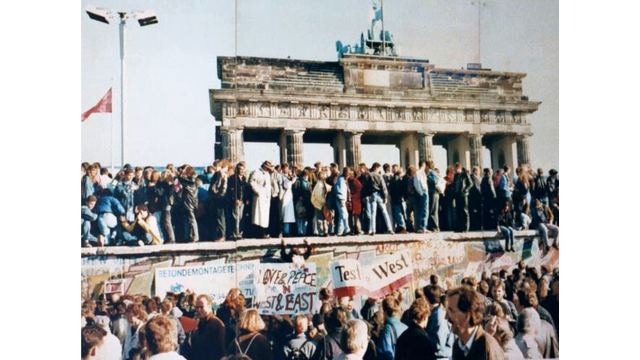
Religion (including the presence of a Polish Pope) was not the only factor leading to the fall of Eastern European Communism, but certainly played a role. There were also religious consequences, from Russia to China.
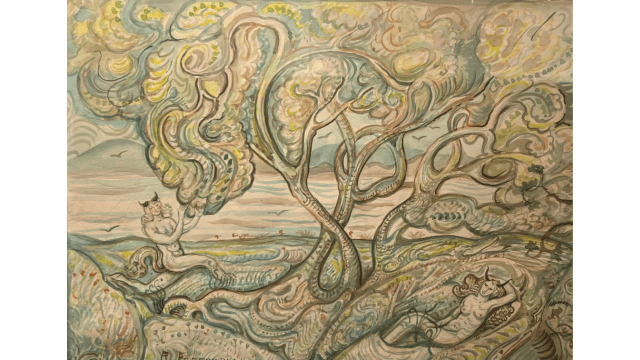
The theme of the androgyne has a long history in Western culture and came to Ferenzona through the Rosicrucians and the Theosophical Society.

They manifest the “cultural tradition of Brazilian society” and do not violate the principle of separation of religion and the state, the Court said.