The “cult” rhetoric obscures what happened in Jonestown, the Solar Temple, Heaven’s Gate, and Kanungu—and why.
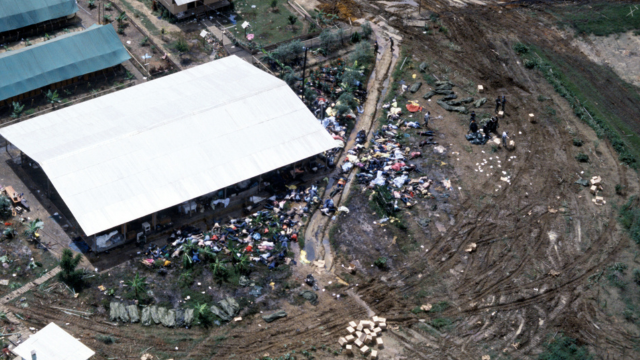

The “cult” rhetoric obscures what happened in Jonestown, the Solar Temple, Heaven’s Gate, and Kanungu—and why.
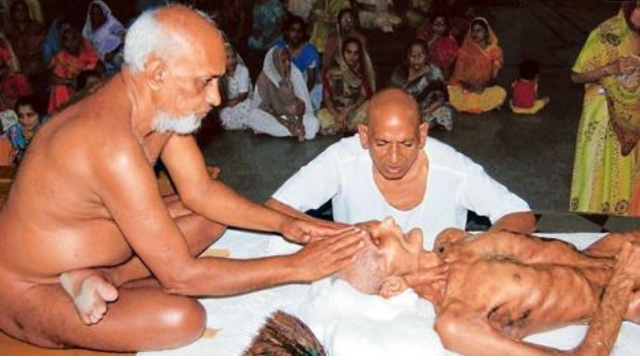
While Jains seek spiritual liberation at the end of life, Buddhist self-immolation and Muslim suicidal bombing are different forms of politico-religious actions.
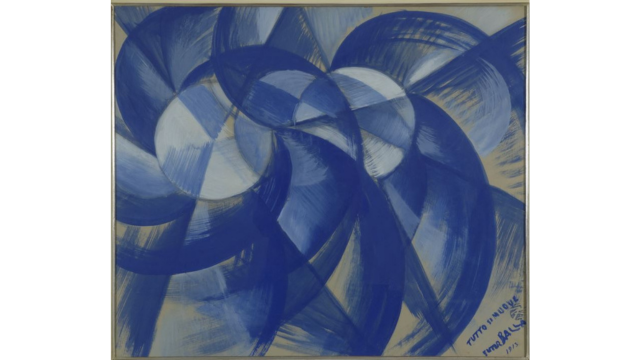
Balla created memorable Futurist-Theosophical icons before leaving Futurism, becoming a “Fascist realist,” and returning to abstract art in his late years.

Two very different cases of self-immolation: Jewish warriors at Masada, Indian women in the Sati ritual.
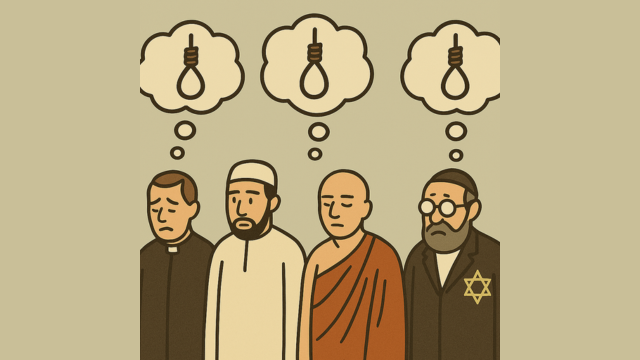
Almost all religions condemn suicide. Why, then, does “ritual” suicide also exist?

The former European Union Special Envoy for Freedom of Religion or Belief and current President of FOREF expresses “deep concern.”
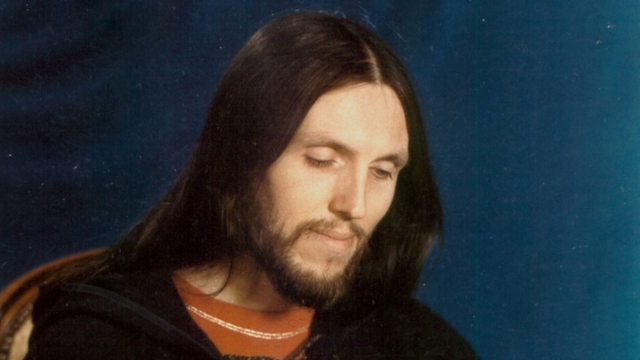
The leader of the Church of Last Testament, sentenced to twelve years in a penal colony, managed to smuggle a letter out of his jail. It is his version of what happened.
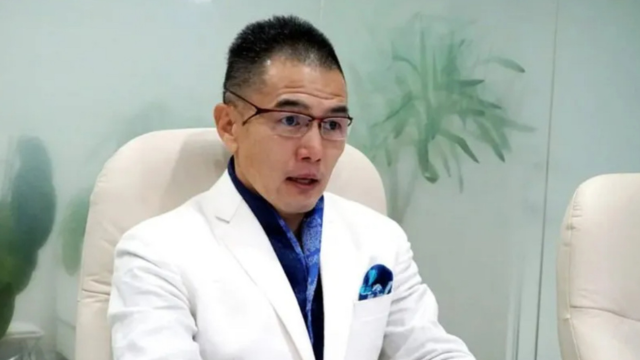
A conversation with Attorney Tatsuki Nakayama on the Goto vs. Suzuki scandalous appeal verdict.
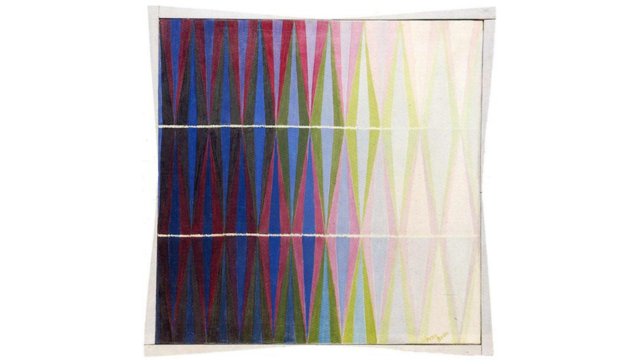
It is unclear when the artist first met the Theosophical Society. General Carlo Ballatore and politician Giovanni Amendola played essential roles.
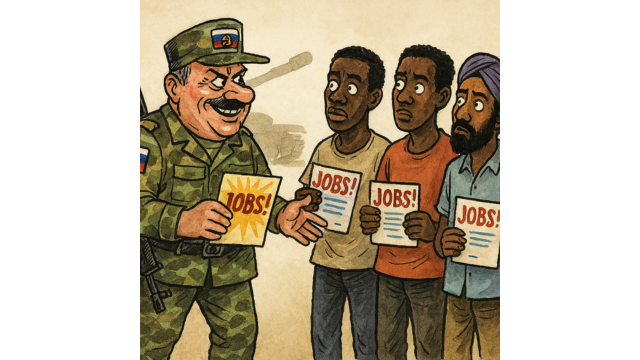
Recruited in their countries and told they will work in construction or domestic security, deceived immigrants from Africa and Asia are compelled to fight in the Ukrainian War.