Freemasonry is today divided into rival obediences and international federations. They should not be confused with the different masonic rites.


Freemasonry is today divided into rival obediences and international federations. They should not be confused with the different masonic rites.

Born with two, then three degrees, Freemasonry developed many more based on legends connecting its origins with the European aristocracy and the Knights Templar.
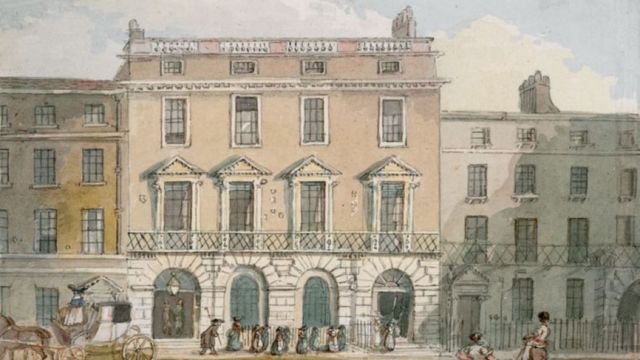
Modern Freemasonry was born in 1717, and its Constitutions were published in 1723. Since the beginning, their reference to God created problems and schisms.

Legends about Solomon’s Temple and a word identifying the genuine members of the guild were passed from the “operative” to the “speculative” Freemasons.

Before “accepted” and “speculative” members who were neither stonemasons nor architect were allowed to join the craft, it operated for centuries as a professional guild.

Controversies about Freemasonry often ignore the context and circumstances of its origins. At a time of deep social transformation, the legend of the Rosy Cross was born.

A museum in Sala and a book on his magazine “Il Convito” help understanding the different aspects of the extraordinary career of the Swedish artist.

Spiritualist mediums claimed that in their presence works of art appeared on previously blank canvas or paper without the intervention of human hands.

An exhibition in Kaunas lifts the veil on an important painter and opera set designer, who managed to hide in his works symbols the censors did not understand.

Disillusioned with Stalin, the painter believed for a while that his messianic utopia would be supported by Roosevelt’s United States.