Many do not understand how shunning exactly works. Erroneous representations of the practice may have influenced the Ghent judges.


Many do not understand how shunning exactly works. Erroneous representations of the practice may have influenced the Ghent judges.

Declaring that shunning “apostates” is a crime implies accepting the ideology that surrendering our freedom to an organization is always suspicious.

The criminal investigation that got into the spotlight earlier this year did in fact start in 2015.

The Belgian court adopted an intrusive view of the powers of the state, incompatible with democracy—and with common sense.
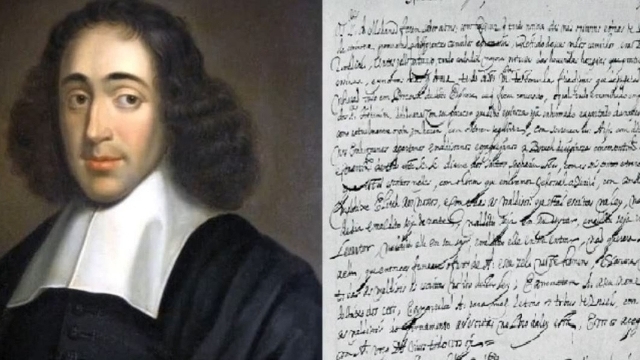
Suggesting that current members do not associate with “apostate” ex-members has been historically common in many religions.

Contrary to other courts in several countries, the Belgian judges dangerously intruded into the internal organization of a religious group.

Contrary to rumors spread by opponents, the Witnesses do not suggest that immediate family members shun relatives who left the faith.

The COVID pandemic, QAnon, and debates on “separatism” have revitalized the French anti-cult structure MIVILUDES. Folk statistics may lead to bad choices.

A book by an Italian curator raises important question on whether “offensive” art should really be excluded from museums and exhibitions.

A chapter in a new book edited by Eileen Barker and James Richardson, emphasizes the church’s crucial role in the evolution of international case law.