While two organizations compete for the heritage and the name of Atajurt, some results, although not definitive, give reason for hope.


While two organizations compete for the heritage and the name of Atajurt, some results, although not definitive, give reason for hope.

Ahead of the central government inspection, local authorities “sinicize” temples by destroying traditional Tibetan stupas, drive away spiritual leaders.

School students in China are increasingly imbued with communist ideology, as the government intensifies their “patriotic education.”
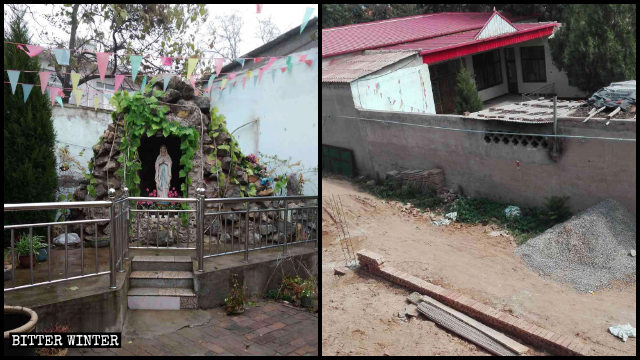
The sanctuary of Our Lady of Mount Carmel in Henan and a myriad of Catholic churches across the country have been harassed by the Chinese regime.

The case of Kaisha Akan is a victory for freedom and for those who support the cause of asylum seekers escaping detention in Xinjiang’s camps.
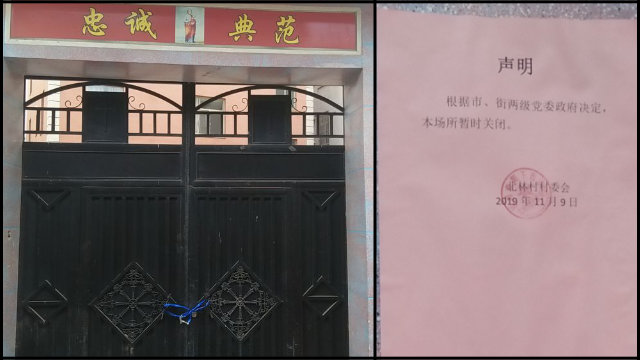
The clergy who refuse to be controlled by the state are harassed by authorities, subjected to indoctrination to make them join the Patriotic Church.

As in other areas of China, the persecution of this Christian new religious movement in the eastern province of Shandong has intensified considerably this year.

After indoctrination in internment camps, Muslims are sent outside Xinjiang to be further “transformed” through work in conditions reminiscent of those in captivity.
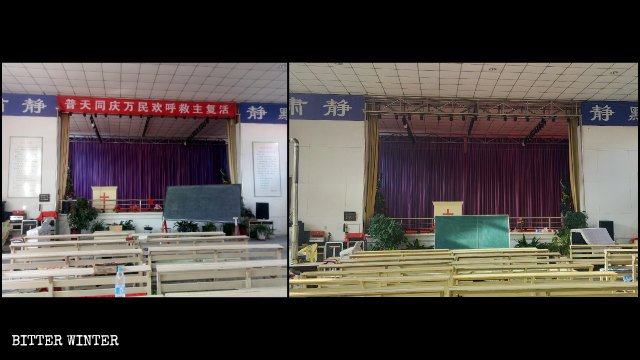
Ahead of a central government inspection, Luanchuan county officials replace the fundamental law of Christianity with communist propaganda in state-run churches.

It’s 600 years from the death of the revered Buddhist master, Lama Tsongkhapa. Tibetans, however, were severely restricted from celebrating the anniversary.