Followers of Buddhism and Taoism, two traditional Chinese religions, face ruthless suppression at the hands of authorities for defending their religious liberties.


Followers of Buddhism and Taoism, two traditional Chinese religions, face ruthless suppression at the hands of authorities for defending their religious liberties.

Adherents to this banned religious movement, a key target of CCP’s persecutions, were taken into custody in Jiangxi, Henan, and Guangdong provinces.
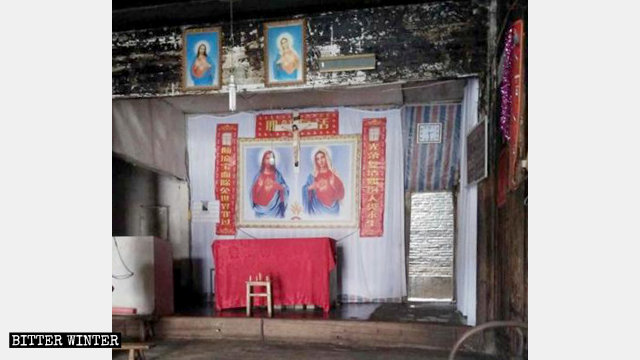
As the Vatican-China Deal of 2018 expires this month, priests refusing to join the Chinese Patriotic Catholic Association are threatened with more restrictions.

The Fuyun Temple in the northern province of Shanxi was demolished after several attempts by the government to rectify it.

Communist ideology continues to invade places of worship across China, as folk religion temples are repurposed to propagate President Xi’s Thought.

Provincial and municipal governments intensify measures to purge from state-run churches all publications that are not approved by the state.

As the Vatican-China Deal of 2018 expires in September, the CCP intensifies persecution of Catholic conscientious objectors through harassment and indoctrination.

The CCP continues its nationwide drive to clear out all unauthorized or foreign-published Buddhist materials, burning and otherwise destroying them.

Amid escalating tensions with Western democracies, China’s regime incites nationalist sentiment among residents, cracks down on religions as “foreign agents.”

Officials suppressed state-approved Protestant venues in Jiangxi Province using a variety of pretexts—for being “dilapidated” or “too eye-catching.”