Since its origins in the late 19th century, Italy’s Theosophical Society has influenced leading artists.
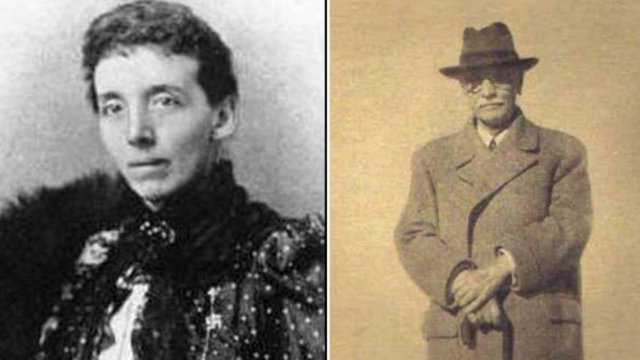

Since its origins in the late 19th century, Italy’s Theosophical Society has influenced leading artists.
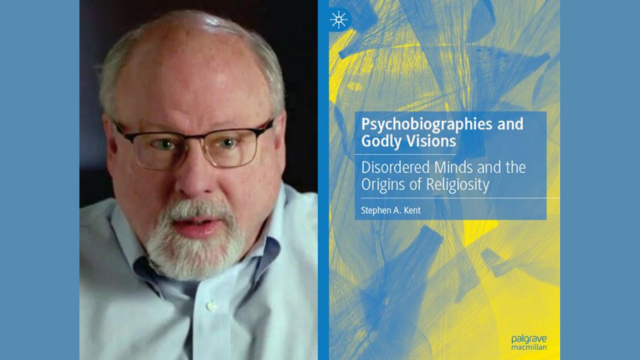
“Psychobiographies and Godly Vision” argues that Paul the Apostle, Muhammad, and most founders of religions were no less mentally disturbed than “cult” leaders.

A member who escaped abroad reports to “Bitter Winter” the terror of the new raids against an idiosyncratic but peaceful new religious movement.

There are many more second-generation members who happily remain in the Unification Church than apostates who publicly oppose it.

All of a sudden, after Shinzo Abe was assassinated, the nisei issue became prominent in Japanese public discourse.
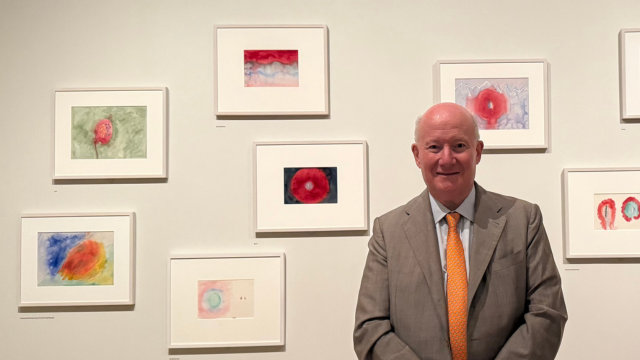
The exhibition “Hilma af Klint: What Stands Behind the Flowers” challenges the idea that botanical works are the flattest (and least Theosophical) part of the artist’s production.

Most former members do not actively oppose the religion they have left and just go on with their lives.

“Apostate” is neither an insult nor a synonym of “ex-member.” It refers to the minority of ex-members who become militant critics of their former faith.

The story of a Japanese Unification Church member confined by his family and deprogrammers for more than twelve years is a narrative that demands to be heard.
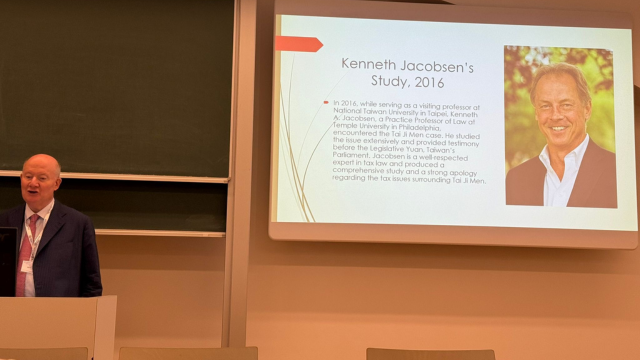
Scholars have produced more than 600 texts about the issue in a few years. It is a unique phenomenon that deserves to be studied.