Beijing’s state TV deceived Taipei’s Ama Museum to produce a “documentary” that is a sermon against Japan’s and Taiwan’s present governments.
by Gladys Kwok
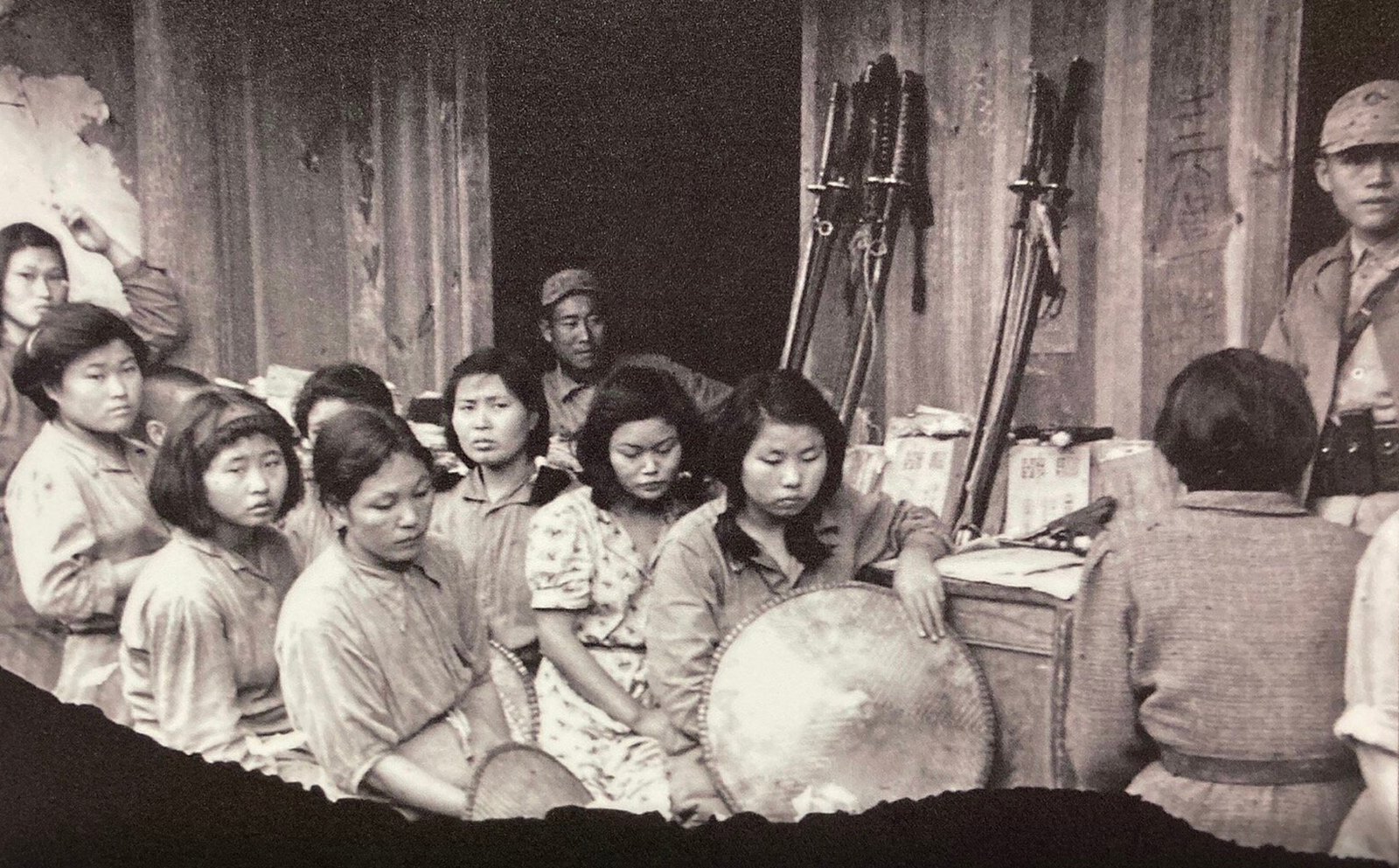
Taiwan’s comfort women were supposed to be remembered, not repurposed. The Ama Museum in Taipei, born in 2016 as a fragile shrine to testimony, was meant to honor survivors of wartime sexual slavery with dignity and sobriety. Instead, thanks to China Central Television, it has been tricked into moonlighting as a set for Beijing’s propaganda opera. The museum lent its walls to what it thought was a documentary about World War II. What it got was a sermon about Taiwan’s president William Lai being a warmonger, the Democratic Progressive Party being Japan’s lapdog, and China being the only faithful guardian of peace. The survivors’ pain was not preserved—it was recycled, with all the subtlety of a jackhammer, into Beijing’s favorite talking points.
The trick was simple. CCTV promised the Taipei Women’s Rescue Foundation, which manages the museum, that the footage would not be used politically. Then it aired a film that was nothing but politics. The bait was memory, the switch was propaganda. The comfort women, once forced into silence, were forced again—this time into ventriloquism for the Chinese Communist Party.
Why does this sting so much? Because Taiwan’s comfort women issue is already a house divided. Unlike South Korea, where the narrative of victimization at Japanese hands has hardened into a national consensus, Taiwan’s memory is fractured. Some survivors were Taiwanese, others were Chinese or Southeast Asian. Some were recruited under Japanese colonial rule, others through deception. The politics of memory are tangled with Taiwan’s contested identity.
There is no unified narrative: is this primarily a feminist cause, a colonial grievance, or a diplomatic cudgel against Japan? Generational divides complicate things further. Older Taiwanese, educated under Japanese colonial rule, often retain ambivalent or even positive views of Japan. Political divides add another layer: the Kuomintang has emphasized Chinese victimhood, while the Democratic Progressive Party has been more cautious, wary of undermining Taiwan’s ties with Japan. In short, Taiwan has no single script. And where there is no script, Beijing writes one.
CCTV’s documentary weaponized trauma. Survivors’ testimonies were reframed as proof of Taiwan’s recklessness, its “subservience” to Japan, its supposed eagerness to provoke war. The museum’s mission of education was twisted into a megaphone for Beijing’s favorite chorus: Taiwan is dangerous, Japan is duplicitous, and only China stands for peace. It was a morality play with the survivors cast as unwilling extras.
Survivors of sexual slavery, whose lives testify to the horrors of militarism, were used to attack Taiwan’s efforts to resist militarism from Beijing. The message was clear: Taiwan should stop provoking China, stop cozying up to Japan, and accept its place in the Sinocentric order. The comfort women must now serve the CCP’s propaganda needs. The museum, meant to honor dignity, was turned into a backdrop for denunciations of Taiwan’s president. Survivors who entrusted their stories to the museum now see those stories twisted into weapons against the very society that sought to honor them.
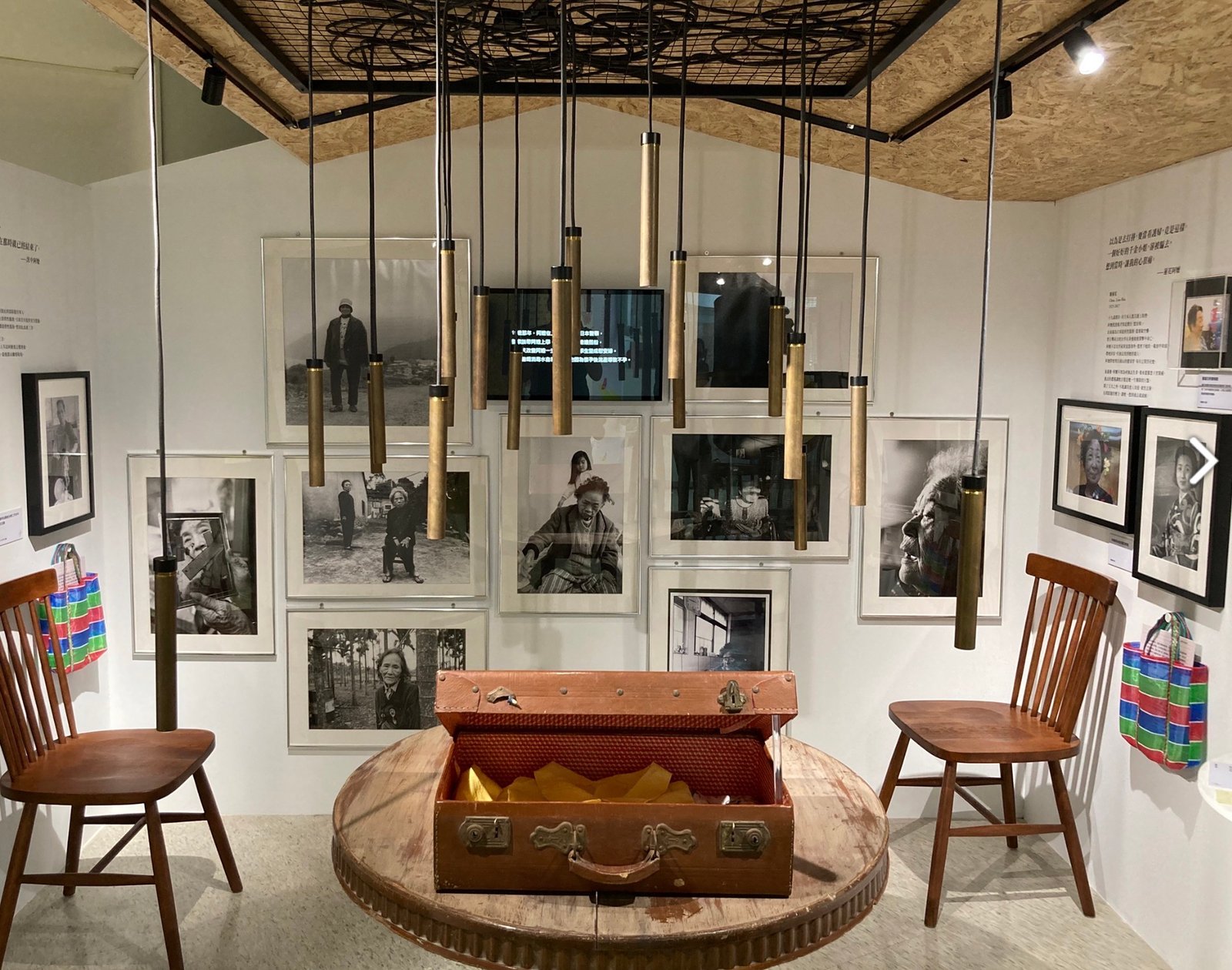
Taiwan’s relationship with Japan makes this manipulation easier. Japan is both a colonizer and a cultural benefactor. Colonial rule left scars, but also infrastructure, education, and a lingering affinity. This ambivalence has meant that the comfort women issue never became the rallying cry it did in Korea. Beijing exploits this ambivalence with relish. By portraying Taiwan’s government as “fawning” over Japan, CCTV taps into latent resentments while simultaneously positioning China as the true defender of historical justice. It is a clever inversion: Japan, once the aggressor, is recast as Taiwan’s dangerous ally; China, once silent on the comfort women issue, emerges as their champion. Survivors are reduced to props in a geopolitical melodrama.
The Taipei Women’s Rescue Foundation protested, noting that its members advocate for memory and truth, but not for hatred. That distinction—truth without hatred—is precisely what Beijing cannot tolerate. Hatred is the lifeblood of propaganda. Without it, the narrative collapses. So hatred must be manufactured, even if it means hijacking a museum built on sincerity. The comfort women issue, already fragile in Taiwan, risks being permanently reframed as a Chinese talking point rather than a human rights cause. Each distortion adds sediment to the propaganda river, gradually reshaping perceptions. If the Ama Museum can be tricked, any institution can. If survivors’ testimonies can be hijacked, so can any memory.
This episode illustrates Beijing’s broader strategy: weaponize historical memory in service of present-day geopolitics. Whether it is the Nanjing Massacre, the Opium Wars, or the comfort women, history is never just history. It is a toolkit for legitimacy, grievance, and control. The CCTV documentary claimed to be “anti-war.” In practice, it was a denunciation of Taiwan’s defense policies and a justification for Beijing’s own military intimidation. Survivors’ voices were conscripted into a chorus they never agreed to sing. The museum, the survivors, and the public were betrayed.
The comfort women issue deserves serious, nuanced discussion. It is a matter of historical justice, gendered violence, and collective memory. Taiwan’s lack of consensus should be addressed through dialogue, scholarship, and empathy—not through propaganda. Survivors deserve dignity, not manipulation. Beijing’s misuse of the Ama Museum is a cautionary tale. It shows how authoritarian regimes exploit ambiguity, hijack institutions, and weaponize trauma.
In the end, the comfort women issue is not about Taiwan versus Japan, or China versus Taiwan. It is about the universal struggle to honor survivors of violence without turning them into pawns. That struggle is hard enough without CCTV’s tricks. The Ama Museum deserves better. Taiwan deserves better. And the survivors, above all, deserve to be remembered for their courage, not conscripted into Beijing’s endless war of words.

Uses a pseudonym for security reasons.