An op-ed supporting the crackdowns in Korea and Japan was written by an executive from a split group that has been at odds with Ms. Moon for years.
by Massimo Introvigne

By now, we’ve all grown accustomed to the genre of op-eds that begin with solemn invocations of religious freedom, only to end with a not-so-subtle call to prosecute one’s theological rivals. But few manage the sleight of hand with quite the flair of Reverend Paul Murray, whose recent piece for UPI—titled “Faith Under Review: Balancing Rights and Responsibilities”—reads like a sermon drafted by a litigation team.
Murray’s thesis, in theory, is unobjectionable: religious liberty advocates should not defend religious leaders accused of ordinary crimes. Fair enough. Fraud is fraud, bribery is bribery, and no one should be above the law—not even those who claim divine inspiration. But as with all good sermons, the devil is in the examples.
And what examples does Reverend Murray choose to illustrate his noble principle? The Unification Church—now known as the Family Federation for World Peace and Unification—in both Japan and Korea. Other groups are mentioned, but only in passing, like extras in a courtroom drama where the real villain is already handcuffed and waiting for sentencing.
In Japan, Murray assures us, the problem is not religious persecution but “consumer protection abuses,” specifically the Church’s allegedly coercive fundraising practices. In Korea, it’s all about “illegal political funding” and “luxury gifts.” Nothing to see here, folks—just your standard racketeering, dressed up in holy robes. And if American politicians like Mike Pompeo, Newt Gingrich, or Donald Trump dare to suggest that these prosecutions might have something to do with religious bias, well, they’re just confusing “faith” with “fraud.”
Before we all start burning incense to the gods of secular justice, a few inconvenient facts deserve mention.
First, Murray’s article blithely ignores a vast body of scholarly literature documenting how these prosecutions are rooted in decades of anti-cult campaigns in Japan and Korea. These campaigns are not merely legal; they are ideological, political, and often explicitly anti-religious. They target groups that support conservative and anti-Communist parties—like the Unification Church—and are cheered on by their political opponents. In other words, the line between “law enforcement” and “political vendetta” is not as clear-cut as Murray would have us believe.
Second, where things get delightfully ironic, Murray presents himself as the “international vice president for religious freedom initiatives at the Global Peace Foundation.” Sounds noble. Until you realize that the Global Peace Foundation was founded and is controlled by Preston (Hyun Jin) Moon, the eldest surviving son of Reverend and Mrs. Hak Ja Han Moon. Preston, for those unfamiliar with the dynastic drama, broke away from the Unification Church in 2009 and now heads a small schismatic group that believes he, not Mrs. Moon, is the true heir to Reverend Moon’s spiritual empire.
This isn’t just a theological disagreement—it’s a full-blown ecclesiastical divorce, complete with multi-million-dollar lawsuits and doctrinal duels. And now, lo and behold, Reverend Murray—an executive at Preston’s organization—is writing op-eds arguing that the Unification Church should not be defended in the name of religious liberty. What a coincidence.
There’s more. Preston Moon also happens to be the Chairman of News World Communications, the parent company that owns UPI, the very outlet that published Murray’s article. So we have a schismatic religious leader, embroiled in legal battles with his mother’s church, whose media company publishes an editorial by one of his own executives, arguing that defending said church is a betrayal of religious freedom. If this were a Netflix series, critics would complain the plot was too contrived.
Let it be clear: I defend the religious liberty of everyone, including Preston Moon and his group, which includes people I know and respect. They have every right to believe what they believe, preach what they preach, and even publish op-eds in their own media outlets. But denying the same liberty to the Unification Church—and rooting for its legal demise—is another matter entirely. It’s not just wrong; it’s strategically suicidal.
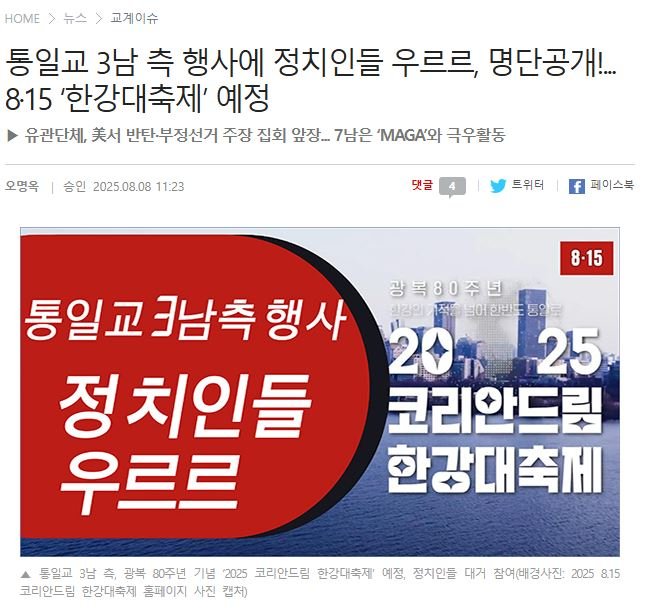
Anti-cultists, after all, are not known for their theological nuance. They don’t care whether you follow Mrs. Moon or Preston Moon. In fact, Korea’s leading anti-cult website, “Religion and Truth,” has already attacked Preston’s organization and published a list of politicians accused of colluding with it. The mob doesn’t distinguish between rival claimants to spiritual succession—it just wants to burn the whole house down.
A footnote worth pondering: Murray also identifies himself as vice chair of the International Religious Freedom Secretariat, a commendable organization that I support. It welcomes all faiths and promotes liberty without prejudice.
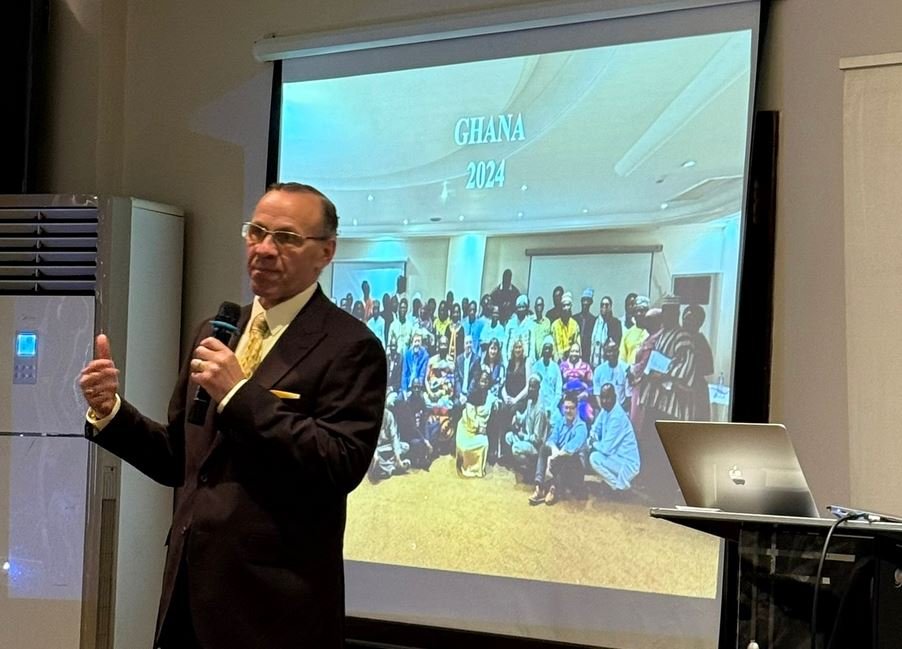
One wonders how the Secretariat feels about being used as a platform for sectarian score-settling disguised as moral clarity. Perhaps someone should ask Reverend Murray whether his editorial is consistent with the values the Secretariat promotes.
When theology meets inheritance law, the casualties often include truth, transparency, and the very freedoms we claim to defend. Next time someone tells you they’re just trying to define the limits of religious freedom—check who’s funding the microphone.
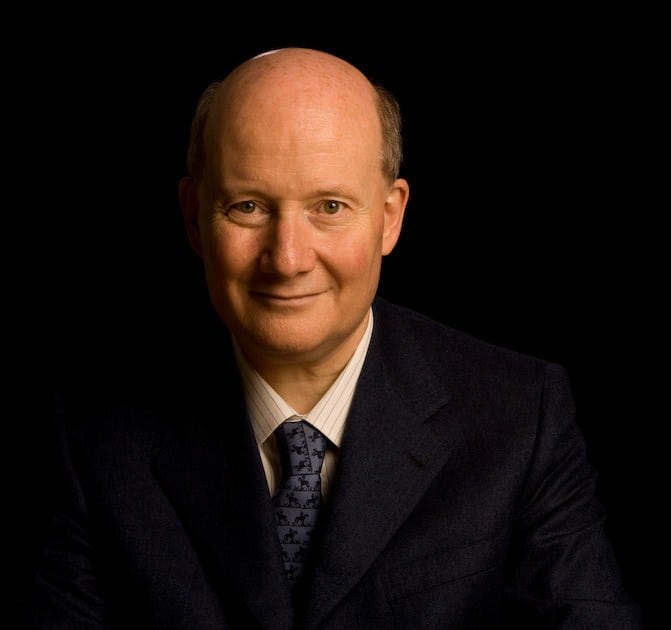
Massimo Introvigne (born June 14, 1955 in Rome) is an Italian sociologist of religions. He is the founder and managing director of the Center for Studies on New Religions (CESNUR), an international network of scholars who study new religious movements. Introvigne is the author of some 70 books and more than 100 articles in the field of sociology of religion. He was the main author of the Enciclopedia delle religioni in Italia (Encyclopedia of Religions in Italy). He is a member of the editorial board for the Interdisciplinary Journal of Research on Religion and of the executive board of University of Pennsylvania Press’ Nova Religio. From January 5 to December 31, 2011, he has served as the “Representative on combating racism, xenophobia and discrimination, with a special focus on discrimination against Christians and members of other religions” of the Organization for Security and Co-operation in Europe (OSCE). From 2012 to 2015 he served as chairperson of the Observatory of Religious Liberty, instituted by the Italian Ministry of Foreign Affairs in order to monitor problems of religious liberty on a worldwide scale.