The decision against a man in Prokopyevsk confirmed that courts now treat with the same harshness “indesirable” and “extremist” organizations.
by Massimo Introvigne

The Protestant movement New Generation is a special obsession of Russian anti-cultists and the Federal Security Service (FSV), perhaps because it originated in a Baltic country and has followers in Ukraine.
The Latvian megachurch New Generation is part of the Word of Faith movement, which teaches that those who pray with faith will acquire health and prosperity. In 2021, New Generation was declared “undesirable” in Russia. On August 15, 2022, New Generation churches in Chelyabinsk, Moscow, Kemerovo, Novosibirsk, Krasnodar, and Sochi, were raided by special forces after having being falsely accused by Russian anti-cultists Alexander Dvorkin and Alexander Novopashin, at that time affiliated with the French-supported European federation of anti-cult movements FECRIS, of working as agents of the Ukrainian intelligence services.
On April 9, it was reported that the Central District Court of Prokopyevsk, in Kemerovo Oblast, sentenced a 41-year-old resident of the city for the crime of posting on his personal page on the social network “VKontakte” information materials published by New Generation.

The man was sentenced to one year of forced labor, with the deduction of 15% of the forced labor wages of the convicted person in favor of the state.
The case confirmed that since Article 284.1 of the Russian Criminal Code was amended in 2022 after the aggression war against Ukraine started, there is no difference in the treatment of “extremist” and merely “indesirable” organizations such as New Generation. Organizing, participating in, and even promoting or simply posting materials of undesirable organizations on social media are now crimes punished with jail or labor camp penalties.
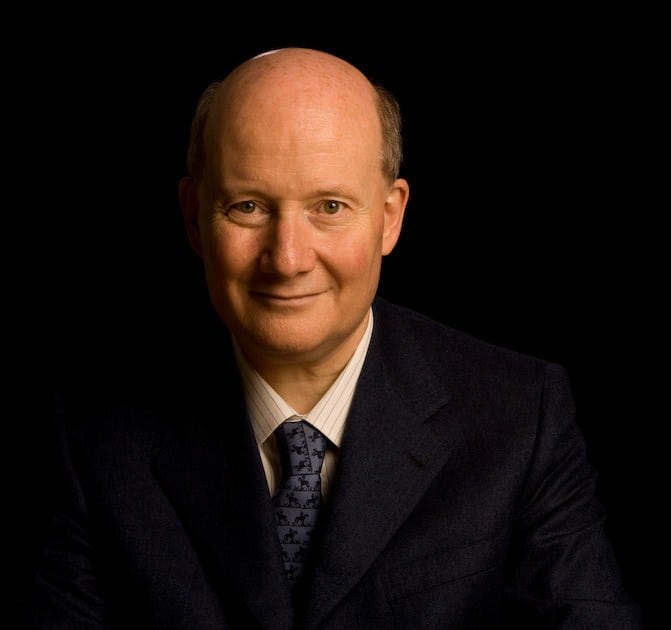
Massimo Introvigne (born June 14, 1955 in Rome) is an Italian sociologist of religions. He is the founder and managing director of the Center for Studies on New Religions (CESNUR), an international network of scholars who study new religious movements. Introvigne is the author of some 70 books and more than 100 articles in the field of sociology of religion. He was the main author of the Enciclopedia delle religioni in Italia (Encyclopedia of Religions in Italy). He is a member of the editorial board for the Interdisciplinary Journal of Research on Religion and of the executive board of University of Pennsylvania Press’ Nova Religio. From January 5 to December 31, 2011, he has served as the “Representative on combating racism, xenophobia and discrimination, with a special focus on discrimination against Christians and members of other religions” of the Organization for Security and Co-operation in Europe (OSCE). From 2012 to 2015 he served as chairperson of the Observatory of Religious Liberty, instituted by the Italian Ministry of Foreign Affairs in order to monitor problems of religious liberty on a worldwide scale.