China has “Sinicized” thirty geographical names of places in an Indian state it claims as its own.
by Massimo Introvigne
“If I change the name of your house, does it become my house?” The question was asked by India’s Foreign Minister Subrahmanyam Jaishankar and the answer should be obvious. But then it isn’t, at least not for the Chinese Communist Party. Its leaders learned long ago the lesson of Big Brother, that controlling language is controlling people.
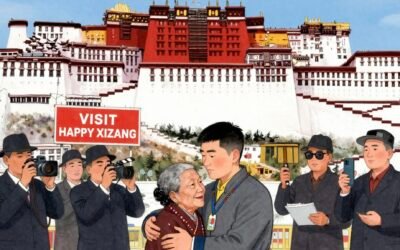
This is why, for example, they insist in calling Tibet “Xizang.” Every time a Western map or encyclopedia uses “Xizang” instead of “Tibet,” China scores a victory and Tibetans lose another piece of their identity.
Then, there is the question of Arunachal Pradesh. As “Bitter Winter” recently explained, Arunachal Pradesh is an Indian state, assigned to India by the Simla Convention between China, India, and Tibet of 1913–14. China, however, which signed but did not ratify the Simla Convention, claims that Arunachal Pradesh is part of its territory, adjusts its maps accordingly, and asks the world to do the same.
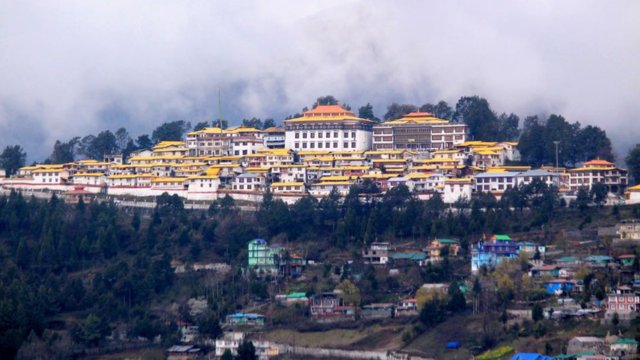
Of course, to control Arunachal Pradesh China needs to invade it. It did exactly so in 1962, when the area was called The North-East Frontier Agency, as part of the Sino-Indian war of 1962. China’s People Liberation Army occupied large parts of Arunachal Pradesh, although it later retreated. China continues to claim Arunachal Pradesh as its own, particularly the historically and religiously important city of Tawang, which is near the border with the PRC.
While military efforts to conquer Arunachal Pradesh have been so far unsuccessful as they met with strong Indian resistance, China has now resorted to its secret weapon: changing geographical names. On March 30, the Ministry of Civil Affairs Announcement No. 566 was published, which changed the names of thirty mountains, rivers, and cities in “Zangnan,” or “Southern Xizang,” which is really Arunachal Pradesh.
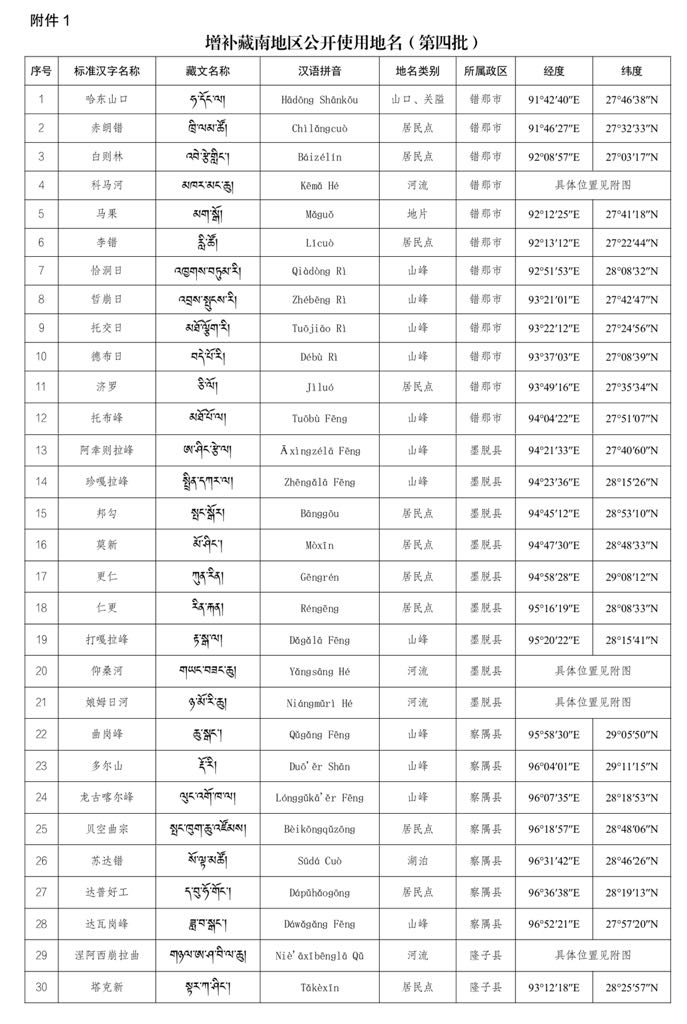
“Sinicizing” the names does not change the reality nor the international law. But it shows in which direction China is moving.
Remember Alice discussing words with the bully Humpty Dumpty in Lewis Carroll’s “Through the Looking Glass”? “When I use a word,’ Humpty Dumpty said in rather a scornful tone, ‘it means just what I choose it to mean—neither more nor less.’ ‘The question is,’ said Alice, ‘whether you can make words mean so many different things.’ ‘The question is,’ said Humpty Dumpty, ‘which is to be master—that’s all.’”
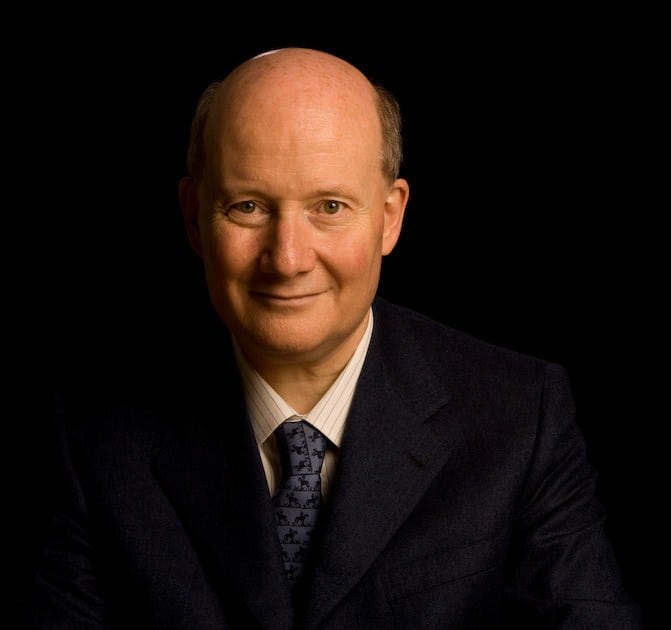
Massimo Introvigne (born June 14, 1955 in Rome) is an Italian sociologist of religions. He is the founder and managing director of the Center for Studies on New Religions (CESNUR), an international network of scholars who study new religious movements. Introvigne is the author of some 70 books and more than 100 articles in the field of sociology of religion. He was the main author of the Enciclopedia delle religioni in Italia (Encyclopedia of Religions in Italy). He is a member of the editorial board for the Interdisciplinary Journal of Research on Religion and of the executive board of University of Pennsylvania Press’ Nova Religio. From January 5 to December 31, 2011, he has served as the “Representative on combating racism, xenophobia and discrimination, with a special focus on discrimination against Christians and members of other religions” of the Organization for Security and Co-operation in Europe (OSCE). From 2012 to 2015 he served as chairperson of the Observatory of Religious Liberty, instituted by the Italian Ministry of Foreign Affairs in order to monitor problems of religious liberty on a worldwide scale.