In Kohistan, Deobandi ulema does not challenge the law allowing women to be candidates—but they say they cannot campaign.
by Massimo Introvigne

Pakistan’s much-awaited general elections are on February 9. Women candidates are not new in Pakistan, who even had a female party leader and Prime Minister, Benazir Bhutto—although she ended up being assassinated in 2007.
However, female candidates are new in certain conservative constituencies, such as the northern region of Kohistan, part of the Khyber Pakhtunkhwa province. There, for the first time three women are among the candidates for the Provincial Assembly, Tehmina Faheem (also spelled Fahim), Momina Basit, and Sanaya Sabeel.

Conservative Islamic clerics reacted, and a fatwa was published on January 27. It is signed by eighteen clerics with their names. The number of clerics who participated in the assembly issuing the fatwa has been indicated in a number varying from 30 to 400 by different sources. Reportedly, the initiative came from the Deobandi conservative party Jamiat Ulema-e-Islam (F). The F stands for the leader of this Deobandi faction, Fazal-ur-Rehman.
The fatwa does not state that women cannot be candidates but does say that neither female candidates nor women activists can campaign. Particularly, the clerics say they are not allowed to visit voters in their homes, which is the normal way of campaigning in rural or mountainous areas such as Kohistan.

Preventing women candidates and their female supporters from campaigning severely limits their chances of being elected. They vowed to defy the fatwa, but this can lead to riots or worse. Political female emancipation still has a long way to go in Pakistan.
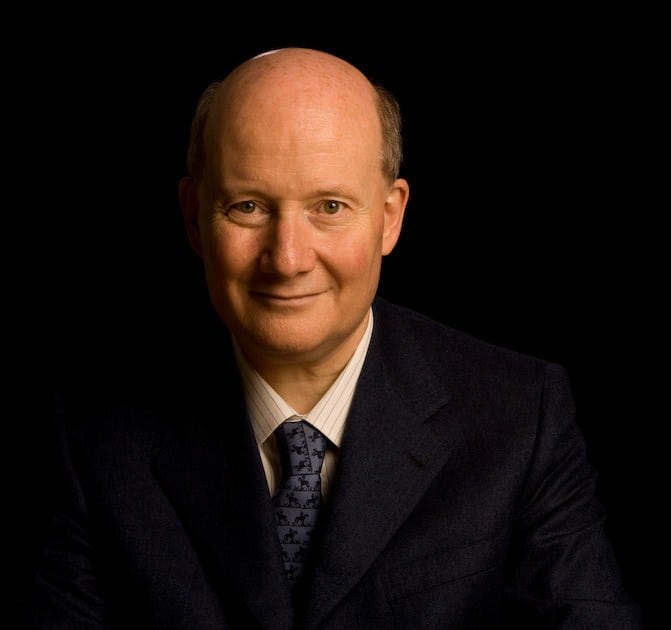
Massimo Introvigne (born June 14, 1955 in Rome) is an Italian sociologist of religions. He is the founder and managing director of the Center for Studies on New Religions (CESNUR), an international network of scholars who study new religious movements. Introvigne is the author of some 70 books and more than 100 articles in the field of sociology of religion. He was the main author of the Enciclopedia delle religioni in Italia (Encyclopedia of Religions in Italy). He is a member of the editorial board for the Interdisciplinary Journal of Research on Religion and of the executive board of University of Pennsylvania Press’ Nova Religio. From January 5 to December 31, 2011, he has served as the “Representative on combating racism, xenophobia and discrimination, with a special focus on discrimination against Christians and members of other religions” of the Organization for Security and Co-operation in Europe (OSCE). From 2012 to 2015 he served as chairperson of the Observatory of Religious Liberty, instituted by the Italian Ministry of Foreign Affairs in order to monitor problems of religious liberty on a worldwide scale.