Dozens accused of blasphemy languish in jail for years. A Chinese man has been promptly released on a $700 bail.
by Massimo Introvigne

Pakistan has a set of laws, collectively known as the “blasphemy law,” punishing blasphemy against Islam with the death penalty. The notion of blasphemy is interpreted extensively, and many cases are fabricated by Muslim extremists. Christians, Hindus, and members of other minorities accused of blasphemy languish in jail for years, unless they are lynched by angry mobs. Some, such as Asia Bibi, are liberated only thanks to international mobilization.
Yet, it seems it is possible to be accused of blasphemy in Pakistan, arrested, and released after a few days on a $700 bail. It is possible if you are Chinese, that is.
The China Gezhouba Group Company is building the Dasu hydropower project in the Kohistan district of Khyber Pakhtunkhwa province. On April 15, the Chinese head of heavy transport at the project, complained that Pakistani workers were spending too much time in prayers during Ramadan. According to the workers, he screamed at them and included derogatory remarks against God and Prophet Muhammad.
Local residents took to the street to protest, and the man was arrested. For much less, Christians and others accused of blasphemy have been kept in jail for years under inhumane conditions, prosecuted, and sentenced to death (even if most death verdicts have been overturned by higher courts).
The Chinese, however, appeared before the Court of Abbottabad, where a judge granted him bail against a bond of 200,000 rupees ($700), and ordered the police to protect him.
We at Bitter Winter regard Pakistan’s blasphemy law as a tool of discrimination, oppression, and murder, and are certainly more than happy when somebody escapes their clutches. However, the double standard is spectacular. Those who commented about the pictures that appeared on Twitter noted the comparatively relaxed attitudes of the Muslim clerics and police officers when the Chinese was arrested, in contrast with others accused of blasphemy who are photographed terrorized and with obvious signs of violence.
Pakistan’s connection with China runs so deep that even the sacrosanct blasphemy law can be circumvented—if you are Chinese.
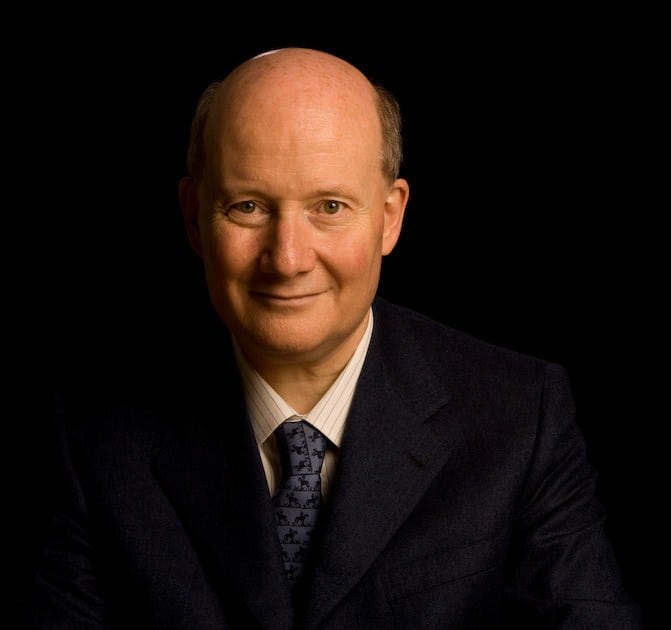
Massimo Introvigne (born June 14, 1955 in Rome) is an Italian sociologist of religions. He is the founder and managing director of the Center for Studies on New Religions (CESNUR), an international network of scholars who study new religious movements. Introvigne is the author of some 70 books and more than 100 articles in the field of sociology of religion. He was the main author of the Enciclopedia delle religioni in Italia (Encyclopedia of Religions in Italy). He is a member of the editorial board for the Interdisciplinary Journal of Research on Religion and of the executive board of University of Pennsylvania Press’ Nova Religio. From January 5 to December 31, 2011, he has served as the “Representative on combating racism, xenophobia and discrimination, with a special focus on discrimination against Christians and members of other religions” of the Organization for Security and Co-operation in Europe (OSCE). From 2012 to 2015 he served as chairperson of the Observatory of Religious Liberty, instituted by the Italian Ministry of Foreign Affairs in order to monitor problems of religious liberty on a worldwide scale.