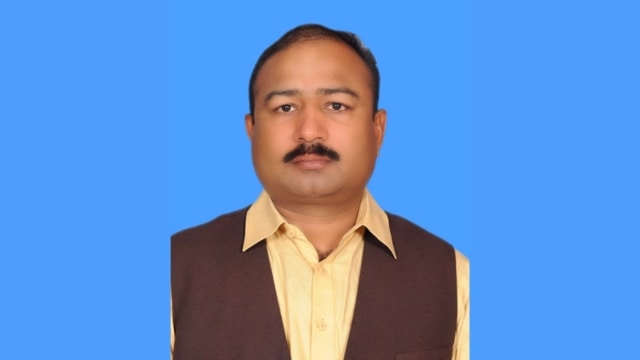
Maulana Abdul Akbar Chitrali told the Parliament that the Torah and the Gospel are “canceled” scriptures. He has not been censored.
by Massimo Introvigne

Pakistan is in its second week of protests about the Chitrali case. Bishops and clergy of different Christian denominations and activists for freedom of religion took to the streets demanding that MP Maulana Abdul Akbar Chitrali resigns.
On March 28, Chitrali spoke in the heated parliamentary debate about the practice of certain Pakistani universities to give credits to students who can memorize the Quran or the Bible. He made a distinction between the Quran and other scriptures. “The Gospel, the Torah, and the Psalms are canceled scriptures, he said. We believe in all of them and don’t reject them but Quran is permanent and will remain till the judgment day.” Chitrali is a member of the fundamentalist Jamaat-e-Islami party, and was expressing the opinion that, while respectable and adequate in pre-Muslim times, the Torah and the New Testament were superseded and even “canceled” when the Quran appeared.
This is a theological opinion common in conservative Islamic circles, but the word “canceled” is offensive to Jews and Christians, the more so when it is used by a MP in a Parliamentary debate. Few Muslims would tolerate a Western MP calling the Quran a second-class or outdated scripture in a Western Parliament. Demonstrations and worse would probably follow.
In Pakistan, however, nothing happened to Chitrali. Naveed Aamir Jeeva, a Christian MP, asked the speaker of the Assembly to censor Chitrali, but his request was turned down.
Religious minority protesters noted that in Pakistan blasphemy, or alleged blasphemy, against Islam is punished with the death penalty, but blasphemy against other religions is practiced openly and even protected at the National Assembly. As long as this situation persists, they noted, any claim that Pakistan is a democracy upholding human rights should be dismissed by the international community as mere propaganda.
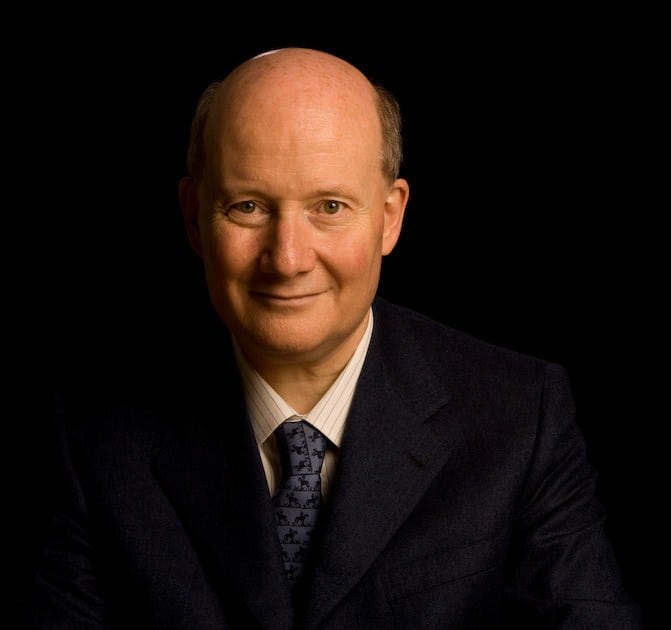
Massimo Introvigne (born June 14, 1955 in Rome) is an Italian sociologist of religions. He is the founder and managing director of the Center for Studies on New Religions (CESNUR), an international network of scholars who study new religious movements. Introvigne is the author of some 70 books and more than 100 articles in the field of sociology of religion. He was the main author of the Enciclopedia delle religioni in Italia (Encyclopedia of Religions in Italy). He is a member of the editorial board for the Interdisciplinary Journal of Research on Religion and of the executive board of University of Pennsylvania Press’ Nova Religio. From January 5 to December 31, 2011, he has served as the “Representative on combating racism, xenophobia and discrimination, with a special focus on discrimination against Christians and members of other religions” of the Organization for Security and Co-operation in Europe (OSCE). From 2012 to 2015 he served as chairperson of the Observatory of Religious Liberty, instituted by the Italian Ministry of Foreign Affairs in order to monitor problems of religious liberty on a worldwide scale.