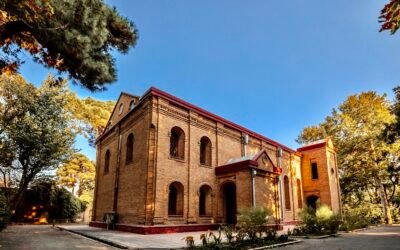
An Ahmadi lawyer was told he cannot use the prefix “Syed” because it is reserved for orthodox Muslims.
by Massimo Introvigne
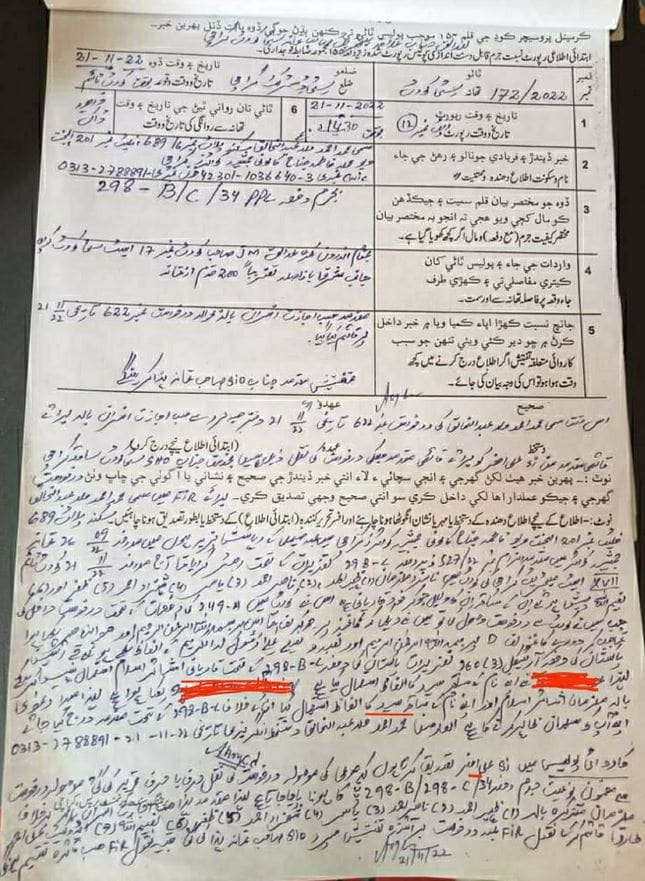
If you are a member of the persecuted Ahmadi religious movement in Pakistan, you are not even free to use your name.
An Ahmadi lawyer was representing other Ahmadis in court in Karachi last week, signing documents with his name and the name he has always used, Syed Ali Ahmad Tariq.
To his surprise, police intervened and told him they have registered a complaint against him for the use of the prefix “Syed” in his name, and that he will likely be prosecuted.

“Syed” means “noble” in Arabic, and is also used to designate a descendant of the prophet Muhammad. The law in Pakistan declares Ahmadi non-Muslims because they believe that their founder, Mirza Ghulam Ahmad, was both “a disciple of the Prophet” (Muhammad) and a prophet himself. Islam proclaims the “finality of prophethood,” i.e., that there can be no prophet after Muhammad, and Ahmadis are accusing of breaching this doctrine.
As a consequence, Pakistan prohibits that Ahmadis represent themselves as Muslims or use Muslim symbols, including on their mosques and even on their graves.
However, it is the first time that Ahmadis are prevented from using Muslim names or prefixes. Thousands of Ahmadis are named Muhammad, and they may also be in danger if a precedent is established based on this case.
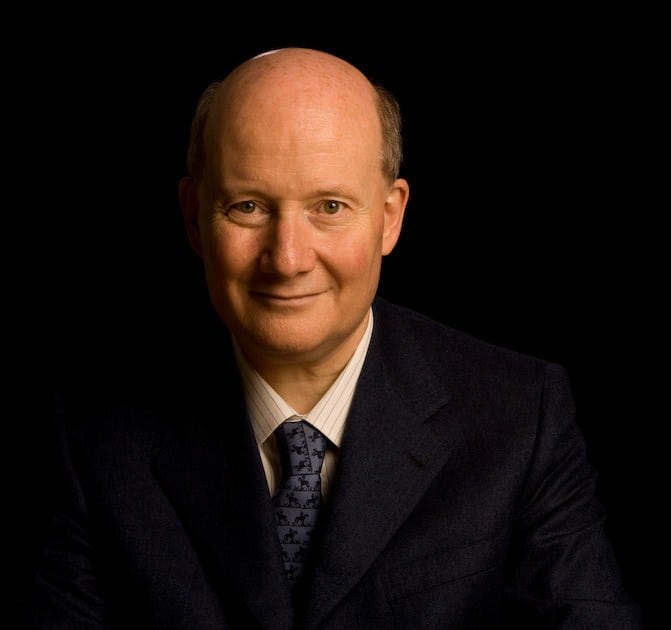
Massimo Introvigne (born June 14, 1955 in Rome) is an Italian sociologist of religions. He is the founder and managing director of the Center for Studies on New Religions (CESNUR), an international network of scholars who study new religious movements. Introvigne is the author of some 70 books and more than 100 articles in the field of sociology of religion. He was the main author of the Enciclopedia delle religioni in Italia (Encyclopedia of Religions in Italy). He is a member of the editorial board for the Interdisciplinary Journal of Research on Religion and of the executive board of University of Pennsylvania Press’ Nova Religio. From January 5 to December 31, 2011, he has served as the “Representative on combating racism, xenophobia and discrimination, with a special focus on discrimination against Christians and members of other religions” of the Organization for Security and Co-operation in Europe (OSCE). From 2012 to 2015 he served as chairperson of the Observatory of Religious Liberty, instituted by the Italian Ministry of Foreign Affairs in order to monitor problems of religious liberty on a worldwide scale.