The export director of a company in Sialkot was accused of having offended Prophet Muhammad. Hundreds watched, chanted, and took pictures.
by Massimo Introvigne

On December 3, a mob of Muslim extremists entered a factory in Sialkot, in Pakistan’s Punjab province, and seized and tortured to death its Sri Lankan export manager Priyantha Kumara after the rumor had spread that the man tore down posters with the name of Prophet Muhammad.
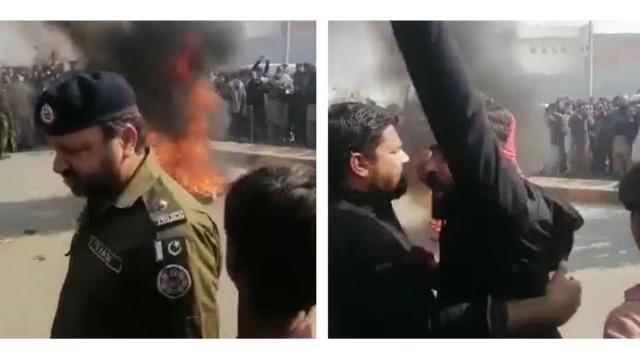
The mob chanted slogans, and many took pictures and videos of the lynching, sharing them on the social media. The body of the manager was then carried outside the factory and publicly burned, again with hundreds celebrating and taking videos.
Videos shared on Twitter show clearly that local police were present, and did not prevent the outrage.
The incident came a week after a Muslim mob burned a police station and four police posts in Charsadda, a district in the Khyber Pakhtunkhwa province, northwest Pakistan, after officers refused to hand over a mentally unstable man accused of desecrating a copy of the Quran whom the extremists wanted to lynch.
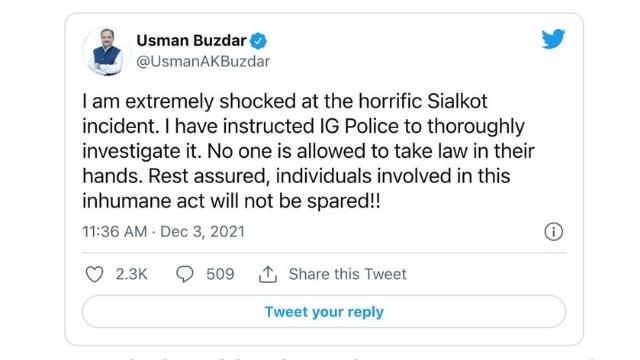
The chief minister of Punjab, Usman Buzdar, tweeted that he was “shocked” by the incident and that those responsible will be punished. Religious minorities remain skeptical, as in too many similar cases hate crimes have not been followed by punishment.
Saifur Mulook, the senior lawyer who represented Asia Bibi, the Christian woman who had been falsely accused of blasphemy, before the Supreme Court, stated that the police present at the incident should also be arrested as “co-murderers.”
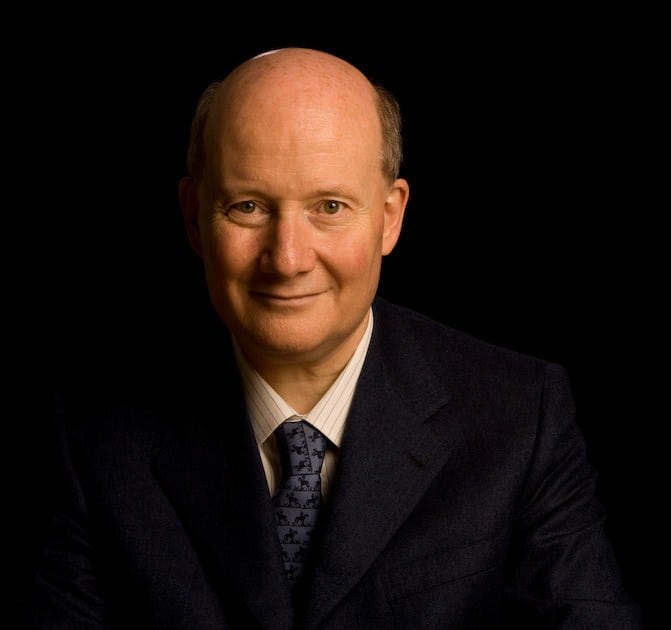
Massimo Introvigne (born June 14, 1955 in Rome) is an Italian sociologist of religions. He is the founder and managing director of the Center for Studies on New Religions (CESNUR), an international network of scholars who study new religious movements. Introvigne is the author of some 70 books and more than 100 articles in the field of sociology of religion. He was the main author of the Enciclopedia delle religioni in Italia (Encyclopedia of Religions in Italy). He is a member of the editorial board for the Interdisciplinary Journal of Research on Religion and of the executive board of University of Pennsylvania Press’ Nova Religio. From January 5 to December 31, 2011, he has served as the “Representative on combating racism, xenophobia and discrimination, with a special focus on discrimination against Christians and members of other religions” of the Organization for Security and Co-operation in Europe (OSCE). From 2012 to 2015 he served as chairperson of the Observatory of Religious Liberty, instituted by the Italian Ministry of Foreign Affairs in order to monitor problems of religious liberty on a worldwide scale.