The Sindh law proposal may sound like a joke, but is deadly serious.

by Massimo Introvigne
“So, your daughter or son is turning 18 and is not yet married? Bad. Very bad. You should submit a report explaining why this scandal is happening, and what you plan to do about it.”
This line may come from the humorous novel Le Vingtième Siècle (The Twentieth Century), published by French novelist Albert Robida in 1882. At that time, the Latter-day Saints (popularly known as Mormons) still practiced polygamy, and Robida imagined that they had come to control England, and were sending young men who were not married to at least one woman to a “Bachelor’s Prison.”
The novel is old, and would probably not even be understood today, but a law proposal in Sindh, one of the four provinces of Pakistan, is brand-new. A member of the Sindh Assembly called Syed Abdul Rasheed, who represents Muttahida Majlis-e-Amal, a political alliance of several Islamic parties, introduced last week a draft bill called “The Sindh Compulsory Marriage Act, 2021.”
Under the bill, the parents of boys or girls who turn 18 without being married will be compelled “to submit an undertaking with justified reason of delay before the Deputy Commissioner of the District,” explain what they are doing to remedy the situation, or pay a fine if they do not submit the report. The politician explained that parents should express in the report “a commitment indicating the time within which their children will be married.”
He indicated he believes the bill is consistent with Muslim sharia law, yet it will also apply to non-Muslims. Religious minorities are particularly concerned, and believe the bill, if passed, will actually promote under-age and forced marriages, which are already a plague in Pakistan.
Bishop Samson Shukardin of the Hyderabad Diocese, which encompasses most of Sindh province, said that the Catholic Church resolutely opposes the draft bill.
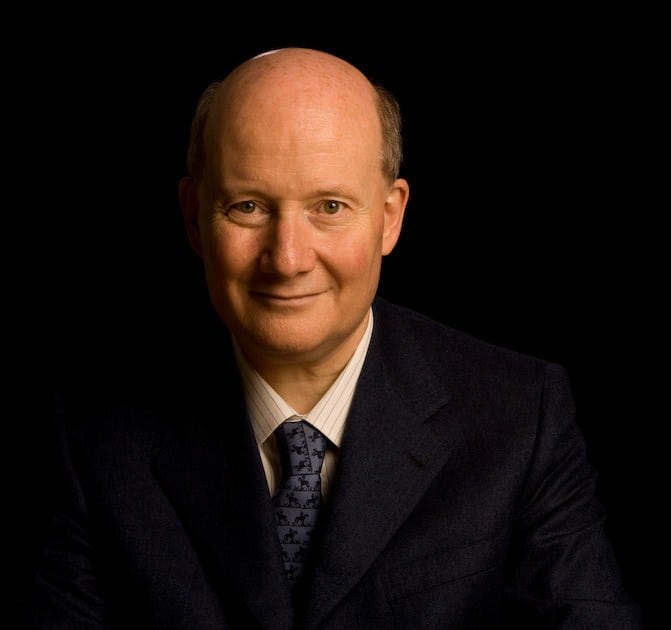
Massimo Introvigne (born June 14, 1955 in Rome) is an Italian sociologist of religions. He is the founder and managing director of the Center for Studies on New Religions (CESNUR), an international network of scholars who study new religious movements. Introvigne is the author of some 70 books and more than 100 articles in the field of sociology of religion. He was the main author of the Enciclopedia delle religioni in Italia (Encyclopedia of Religions in Italy). He is a member of the editorial board for the Interdisciplinary Journal of Research on Religion and of the executive board of University of Pennsylvania Press’ Nova Religio. From January 5 to December 31, 2011, he has served as the “Representative on combating racism, xenophobia and discrimination, with a special focus on discrimination against Christians and members of other religions” of the Organization for Security and Co-operation in Europe (OSCE). From 2012 to 2015 he served as chairperson of the Observatory of Religious Liberty, instituted by the Italian Ministry of Foreign Affairs in order to monitor problems of religious liberty on a worldwide scale.