The incident is part of an alarming series of attacks against Catholic statues and churches in the United States.
by Massimo Introvigne

Emotion still runs high at St. Elisabeth, Van Nuys, often referred to by Roman Catholics as “the Mother Church of San Fernando Valley” in Greater Los Angeles. The community dates back to 1919, and a new church was consecrated in 1950. In the 1980s and 1990s, St. Elisabeth became a predominantly Spanish-speaking community, with a robust Mexican presence. A mural depicting the Virgin of Guadalupe became a natural rallying point for the Mexican Catholics of St. Elisabeth, and flowers were never missing.
Last week, the mural was attacked by a man who hit it 18 times with a long sledgehammer, as the parish reported. The man was caught on camera, and the Los Angeles Police Department immediately launched an investigation—so far, without results.

Father Vito Di Marzio, the parish’s pastor, led the community in prayer after the attack, that he characterized as “one of our saddest moments in addition to our pandemic times.” He is also looking for financial support to restore the delicate tile painting, and install a plexiglass casing enclosure for future protection.
The incident made national headlines, because attacking and vandalizing Catholic statues, images, and churches became an alarming phenomenon in 2020. On July 11, a man set fire to Queen of Peace Church in Ocala, Florida, while parishioners were inside preparing for the Mass. Luckily, nobody was injured but the church was severely damaged. Statues of the Virgin Mary were particularly targeted. One was decapitated in Miami, at Good Shepherd Church, and others were vandalized in New York, Massachusetts, Tennessee, and Colorado.

In Los Angeles County, the same day of the Ocala incident, the historical San Gabriel Mission was badly damaged by a fire. One year after the incident, the origins of the fire have not yet been determined.

Yet, San Gabriel Mission was established by the Franciscan Junipero Serra (1713–1784). Serra was canonized by Pope Francis in 2015 and is venerated as a saint by Roman Catholics, but a dozen of statues honoring him have been decapitated or destroyed both after the canonization and during the Black Lives Matter demonstrations. The Franciscan is accused of having contributed to the destruction of Native American culture by converting natives to Catholicism. The Catholic Church countered that Serra in fact advocated for the rights of the Native Americans when they were mistreated by the Spanish colonial authorities, but this did not prevent the removal of statues to continue, nor Stanford University from changing the names of two of its buildings previously named after Serra.

It is because of the general climate of attack against Catholic symbols that the incident involving the Guadalupe mural in Van Nuys created national alarm. Commenting the 2020 attacks, Archbishop Thomas Wenski of Miami, who was at that time the chairman of the United States Conference of Catholic Bishops Committee for religious liberty, stated that, “We have to be very vigilant in making sure that this doesn’t get legs and continue. We have to be as vigilant as our Jewish brothers are vigilant against instances of anti-Semitism.”
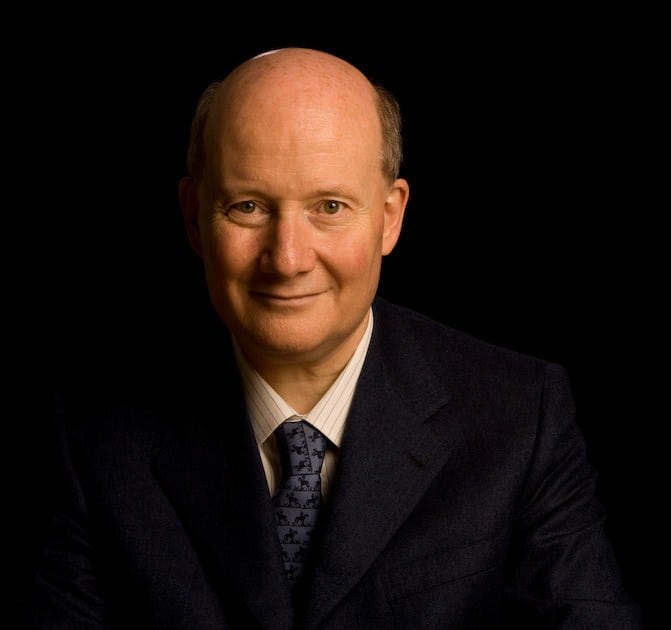
Massimo Introvigne (born June 14, 1955 in Rome) is an Italian sociologist of religions. He is the founder and managing director of the Center for Studies on New Religions (CESNUR), an international network of scholars who study new religious movements. Introvigne is the author of some 70 books and more than 100 articles in the field of sociology of religion. He was the main author of the Enciclopedia delle religioni in Italia (Encyclopedia of Religions in Italy). He is a member of the editorial board for the Interdisciplinary Journal of Research on Religion and of the executive board of University of Pennsylvania Press’ Nova Religio. From January 5 to December 31, 2011, he has served as the “Representative on combating racism, xenophobia and discrimination, with a special focus on discrimination against Christians and members of other religions” of the Organization for Security and Co-operation in Europe (OSCE). From 2012 to 2015 he served as chairperson of the Observatory of Religious Liberty, instituted by the Italian Ministry of Foreign Affairs in order to monitor problems of religious liberty on a worldwide scale.